Progressing Herd Genes with IVF Bovine: A Practical Overview for Producers
Breeding choices shape a herd for the following years, not simply the following calving period. When the objective is to multiply elite genes, tighten the calving window, or salvage embryos from benefactors that are tough to reproduce, IVF bovine work can relocate the needle much faster than any type of various other reproductive device. It is not magic. It is a production system with inputs, variability, and genuine administration demands. When it is established appropriately, the outcomes are amazing, and the math works.
What IVF bovine actually is
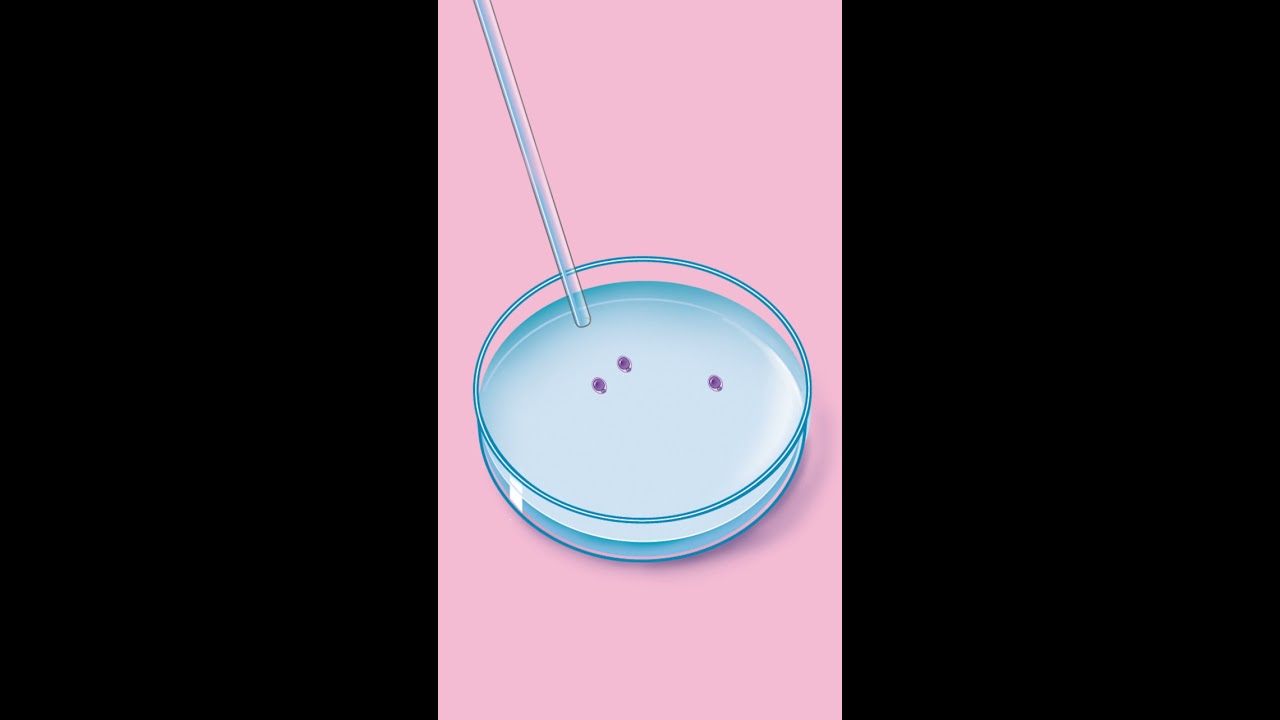
In a common IVF bovine program, unfertilized eggs are gathered from an online benefactor by OPU/ Oocyte Collection, fertilized in the lab with picked semen, and cultured for seven days prior to transfer to integrated recipients. Embryo Transfer then positions fresh day 7 embryos right into receivers aligned to the same phase of their cycle, or the embryos are frozen for later use. Unlike several ovulation and embryo transfer, which counts on heavy superovulation and flushing, IVF usually utilizes little to no FSH excitement and gathers immature oocytes straight from hair follicles. That difference permits regular collections on the same contributor, including cows that are pregnant early, prepubertal heifers, or donors that do not respond to superovulation.
In method, OPU can be set up every two weeks, sometimes regular with cautious administration. The lab does the heavy lifting, developing oocytes, fertilizing them with standard or sexed semen, and culturing embryos till they reach the blastocyst phase. The whole cycle from goal to transfer has to do with a week.
Why producers are embracing IVF now
Several trends have tilted the business economics for IVF. Sexed semen has actually boosted in fertility and consistency, especially with optimized lab protocols, making it more feasible when supply of recipients is solid. Genomic evaluations in dairy and significantly in beef placed a lot more confidence behind selecting very young donors and sires. At the same time, the capacity to aspirate pregnant donors approximately approximately 80 to 100 days of gestation, situation dependent, suggests those women do not have to be pulled from production to add embryos. The tempo fits operations that want consistent embryo output spread over numerous weeks, not one huge flush every six to eight weeks.
From a danger viewpoint, IVF spreads wagers. Instead of betting on one insemination on an elite donor, a program can generate a handful of embryos every number of weeks, producing even more chances for pregnancies and permitting course modifications if a breeding is not striking targets.
Where IVF suits a reproducing program
IVF is not a yes or no decision. It is a device that fits specific scenarios and battles in others. The most effective candidates bring strong hereditary quality and good ovarian task. The very best programs align recipients with self-control and keep careful records. Think of these inquiries before scheduling a day in the chute.
- You requirement to swiftly multiply a handful of elite donors to develop substitutes or seed a seedstock line.
- You intend to utilize sexed semen ahead contributors while keeping pregnancy rates appropriate by moving fresh embryos.
- Your finest cows are hard dog breeders or do not reply to superovulation, or you need to aspirate benefactors throughout early pregnancy.
- You strategy to utilize genomics to make use of prepubertal heifers or very young bulls and accept a discovering curve on oocyte yield.
- You have, or can contract, a dependable pipeline of recipients in excellent body condition with tight synchronization.
If those statements fit your situation, IVF usually incorporates well. If recipient supply is slim, warmth stress dominates summertimes, or donor high quality is small, a targeted AI program could return much better worth up until those restraints change.
Donor choice and preparation
Not every top-index cow becomes a top IVF benefactor. Private variant in follicular numbers matters, and Bos indicus influenced breeds often produce higher oocyte counts than Bos taurus, though blastocyst prices can differ by lab and type. In lots of dairy Holsteins and Jerseys, it is common to accumulate 10 to 25 oocytes per ambition, with 20 to half developing into transferrable embryos relying on donor, sperm, and laboratory problems. Older cows may have lower quality oocytes regardless of great counts. Prepubertal heifers often tend to produce fewer oocytes, frequently solitary digits, yet they can be aspirated repeatedly and bring genomic advantages.
Preparation starts with fundamentals that are burning out to speak about and pricey to disregard. Go for a body condition rating between, not the sides. Prevent adverse power balance in donors by sustaining protein and trace minerals, particularly vitamins A and E, copper, zinc, and selenium suitable to the region. Draw a full reproductive exam on new contributors. Handle uterine health aggressively in postpartum cows, clear endometritis before organizing OPU, and test benefactors for the diseases your area appreciates, typically IBR, BVD, Johne's, leptospirosis, and campylobacter.
Some programs utilize a light FSH priming protocol before OPU to enhance the variety of tool follicles. Others rely upon all-natural follicular waves and approve fewer but potentially better oocytes. Work with the veterinarian and lab group. The right option relies on donor physiology, routine, and how dependably you can relocate donors via taking care of without stress.
Pregnant benefactors can be aspirated in early gestation if the dam is stable, however the team needs to settle on the cut-off day. Lots of labs fit through day 80 to 100, but policy differs and so does specific risk resistance. Excellent restraint and low-stress handling are nonnegotiable.
OPU/ Oocyte Collection in practice
The procedure is transvaginal ultrasound-guided hair follicle aspiration. The contributor is limited in a chute. Epidural anesthesia is common, and some teams include light sedation. The operator breakthroughs the ultrasound probe right into the former vagina against the cervix. An ambition needle follows the ultrasound guide. Each hair follicle is penetrated, and fluid is aspirated right into warmed, heparinized media. Experienced operators can work one ovary each time, clearing easily accessible roots. The aspiration itself generally takes 15 to half an hour per benefactor in routine cases.
Risks are reduced however real. Percentages of bleeding happen, and the periodic contributor will certainly have transient discomfort or a momentary dip in follicular numbers on the following wave. Severe complications like peritonitis are rare in seasoned hands. From an organizing point ofview, contributors can duplicate OPU every 10 to 2 week. Routine hygiene, single-use sleeves, tidy ultrasound sheaths, and disinfecting the workspace secure benefactors and personnel. The laboratory group obtains the follicular fluid in warmed tubes, filters it, and look for cumulus oocyte complicateds under a stereomicroscope.
Producers commonly ask how rough climate or transportation affects results. Transporting a benefactor a brief range on the very same day prevails technique. The larger danger is temperature shock to oocytes if the transportation incubator or liquid containers are not held constant near body temperature level. An organized team that pays attention to cozy chains and timing outshines a topsy-turvy group with ideal donors.
From oocyte to embryo in the lab
Once the laboratory recuperates oocytes, they enter into growth media for roughly 20 to 24-hour, then into fertilization media with seminal fluid. Choice of semen matters a lot more in IVF than numerous expect. Some bulls regularly toss high bosom and blast prices under IVF problems and others do not, regardless of how they execute with AI or MOET. Ask for bull-specific IVF fertility data when possible. Sexed semen can function well in IVF with modified sperm numbers and direct exposure times, but each lab tunes its protocol. As a rule of thumb, bosom rates of 60 to 80 percent and blastocyst returns of 25 to 45 percent of usable oocytes are decent. Outliers exist in both directions.
Embryos society till day 7, when they are graded. Numerous programs direct transfer fresh embryos right into recipients synchronized to day 7 likewise. If recipient supply is limited or biosecurity calls for even more screening time, embryos can be frozen. Fresh embryos usually out-pregnant frozen in IVF, often by 5 to 10 portion factors in field conditions, although great vitrification can close the gap.
Embryo top quality, dealing with, and shipping
Grading in IVF complies with familiar IETS-style categories, changed for laboratory conventions. A compact, symmetrical day 7 blastocyst with a clear inner cell mass earns a leading quality. Throughout typical contributors, anticipate a mix. The essential point is uniformity from your lab and clear communication about what gets moved versus what is disposed of or continued for another day of culture.
On-farm handling is uncomplicated yet unrelenting of faster ways. Keep transfer weapons warm and dry, load straws carefully, and area embryos deep in the uterine horn on the side of the CL. When transporting icy embryos in between sites, track cylinder levels, cross-check walking cane labels, and never ever get rid of straws from nitrogen much longer than needed. A tag mix-up can eliminate months of planning.
Recipient monitoring and timing
Recipients make or damage an IVF program. You can breed the best contributor to the very best sire and still lose if receivers are thin, cycling unevenly, or out of sync. Body condition in the 5 to 6 range on a 9-point beef scale or 2.75 to 3.25 on a 5-point milk range often tends to create reliable outcomes. Warm tension is the enemy. If summer season highs run brutal, front-load embryo transfers into cooler periods or highlight color, air movement, and water availability.
Synchronization choices vary. Many teams align receivers to day 7 via a common CIDR plus GnRH and prostaglandin program, or by tracking natural heats up and counting seven days to move. Some laboratories choose receivers on their very first cycle after a CIDR pull, others on a natural warm the week prior. Adhere to a single protocol until you see a standard, then modify. Throughout transfer day, palpate for a strong, functional CL. A deep uterine body in a dairy heifer or a short, hard cervix in a beef cow changes method, yet both can carry an embryo well. The embryo takes place the exact same side as the CL, normally 0.5 to 1.0 inches right into the horn past the bifurcation.
Field information show that pregnancy per transfer of fresh IVF embryos often lands in the 40 to 55 percent range when receivers are well handled. Frozen IVF embryos typically run a little bit reduced, 35 to 45 percent in many herds. Expert teams occasionally defeat these numbers. The lesson is to tape-record by contributor, bull, recipient class, and period so you can identify the mix that performs ideal on your farm.
Expected results, costs, and the break-even view
Costs vary by area and service provider. A reasonable budget plan aids prevent sticker label shock. Lots of programs structure charges as a per desire charge plus lab costs per oocyte or per embryo produced. As a harsh guide in The United States and Canada:
- OPU session per benefactor may run 400 to 800 USD, sometimes greater with travel.
- Lab work from oocyte growth via day 7 may be 150 to 300 USD per viable embryo, occasionally a level cost with a cap.
- Transfer costs, recipient biking prices, and maternity checks include one more 50 to 150 USD per embryo placed.
- Recipient advancement or renting modifications the formula one of the most. Raising your very own dairy products heifer recipient to move age can go beyond 1,000 USD in feed and expenses. Leasing a beef recipient for a period may pencil differently.
A practical means to mount it is cost per pregnancy. Intend you invest 600 USD for OPU and lab job yields 4 transferable embryos, and you move them fresh with a half perception rate. 2 pregnancies set you back 600 plus transfer costs and recipient costs. Decrease in your own numbers and you can estimate expense per pregnancy. The target adjustments with the value of the anticipated calf bone. Seedstock calves with foreseeable high-index benefit, reveal family members, or rare breedings carry more value than commercial replacements. One producer I dealt with measured worth by weaned-calf income plus the genetic enhancement they could lock into the herd; when they counted saved years of choice, IVF beat AI even at a greater ahead of time cost.
Logistics that maintain the wheels on
Good IVF teams operate on calendars and lists. If you are far from a laboratory, choose between carrying contributors to a satellite center, bringing a mobile OPU group on-site, or delivery oocytes to a central laboratory. All 3 models function if everybody agrees on timing and temperature control. A common factor of failure is scheduling OPU on a day when your handling team is split between silage and shipping. Book days when chutes and proficient hands are offered, and line up recipient checks a week later.
Weekend restrictions can make complex day 7 transfers. If the lab aspirates on a Tuesday, the transfer home window lands the adhering to Monday or Tuesday, which may fit your timetable. Strategy the week before, including CIDR pulls for receivers, so you are not searching for a CL on the incorrect day.
Genetic technique to make IVF count
IVF amplifies the influence of your breeding strategy. Careless option ranges up blunders quickly. Usage genomic tests to confirm contributor advantage and pay close attention to inbreeding coefficients when selecting sires. The temptation to double up on the existing hot bull can develop undesirable homozygosity. Rather, construct complementary breedings. For a dairy donor with superb manufacturing but weak fertility or embryo transfer cattle Texas unguis wellness, pair sires with well-documented daughter maternity rates and health qualities. In beef, balance weaning and yearling weights with calving ease and mature size so you do not breed on your own right into extra-large cows that set you back even more to maintain.

IVF is additionally a bar for sexed sperm. On replacement-focused breedings, placed high-fertility female-sexed sperm ahead contributors and feed the resulting heifer pipe. On incurable or club calf breedings, male-biased sperm can include sale weight. Be honest about the hit to embryo numbers if a bull underperforms under IVF conditions. It is much better to pivot to a various bull than to demand a name that looks great theoretically yet costs you pregnancies in practice.
Biosecurity and pet welfare
Moving contributors and receivers through an active reproductive program boosts get in touch with factors and anxiety. Shield the herd with access screening for outside cattle, clean needles, and different equipment for managing favorable and negative groups if you manage persistent infections like BVD PI. Keep sedation logs for benefactors, track withdrawal times if medicines are utilized, and deal with every aspiration as a small treatment with pre and post checks. Well-being shows up in results. Tranquil contributors and receivers fertilize, implant, and preserve maternities far better than stressed out animals. Easy investments like non-slip floor covering in chutes, shade at the handling location, and a water point near recuperation matter more than they cost.
Common pitfalls and just how to stay clear of them
Two problems show up time and again. The first is mismatched expectations regarding embryo numbers from a celebrity contributor. Even elite cows produce variable results, specifically across periods. The way to manage this is to set a range with your laboratory in advance, examine the very first two or 3 sessions, and determine whether to keep going, readjust FSH, or retire the contributor from the IVF program.
The second is inadequate recipient technique. Embryo programs are not forgiving of fifty percent actions on synchronization. A group with heats up recorded by 3 different people in three different note pads will fall behind. Appoint one person to have the recipient pipe. Give them authority to pull a recipient out if her CL feels wrong or her body problem sagged. It is far less expensive to avoid a transfer than to lug an open recipient for one more cycle.
Temperature and timing additionally hook manufacturers. A mobile incubator that drifts a few levels throughout transportation, or a lengthy lunch break that leaves embryos on a counter, will certainly reduce cause fifty percent. Establish a straightforward chain of guardianship for media and embryos with names and timestamps. In my experience, that single adjustment transforms a variable program into a regular one.
A short field example
A 450-cow signed up Angus herd in the southerly Plains wanted to speed up mother's trait improvement while selling a handful of elite bulls each year. They selected three donors based on genomic scores and cow household efficiency, after that started OPU every other week from December via March to prevent warm tension. Typical oocyte collection was 18 per donor per session. The lab attained an average of 7 transferable embryos per session per donor using conventional semen on 2 sires and heifer-sexed seminal fluid on a 3rd. They transferred fresh embryos into well-synchronized two-year-old beef receivers on irrigated winter season pasture.
Pregnancy per transfer on fresh embryos averaged 53 percent. Price per maternity, counting OPU fees, lab charges, and synchronization, landed near 1,050 USD without recipient advancement. On the earnings side, they assigned 500 USD of value to every maintained heifer calf's lifetime genetic benefit based upon forecasted weaning weights and fully grown cow performance, and dramatically more to sale bulls with the target indexes. Within two years, first-calf heifers from the IVF group surpassed their contemporaries by 20 to 30 extra pounds at weaning, and the program spent for itself when the first 2 sale bulls struck 5 numbers. The trick was none single big flush, but consistent embryo flow, tight recipient work, and adjusting sires after the first eight weeks when one bull underperformed in IVF.
Data and recordkeeping that matter
Keep a contributor card that details day of OPU, follicle count if reported, variety of oocytes recuperated, number matured, cleavage rate, day 7 useful embryos, and a malfunction by bull. On the recipient side, track CIDR in and out, warmth days, CL scores at transfer, transfer tech, and maternity results at 30 and 60 days. Over time, you will certainly discover patterns that guide decisions, such as a benefactor that consistently throws far better embryos after a rest week, or a bull that shines with one contributor line and not another.
Feed your laboratory this data. IVF is a collaboration. Labs can adjust society systems and fertilization home windows, however just if they see results in your area. A quarterly evaluation meeting maintains the program sincere and nimble.
A 90-day activity plan to start strong
- Align goals and economics. Determine which benefactors and sires qualify, set a realistic embryo target per month, and define what success appears like in price per maternity and calf bone value.
- Build the recipient pipeline. Choose a synchronization protocol, align facilities, and designate one person possession of warm discovery, CL checks, and records.
- Book the OPU calendar. Coordinate donor exams, inoculations, nutrition, and any type of FSH priming. Verify transport and cozy chain logistics with the lab.
- Standardize handling on transfer day. Preparation tools, validate embryo tags, set a plan for turning down limited receivers, and routine preg checks at 30 and 60 days.
- Review and adjust at 45 and 90 days. Contrast embryo results and pregnancy rates by contributor and bull, tweak seminal fluid selections or timing, and retire or replace weak links.
When IVF is not the appropriate move
Some herds are much better served by tightening up AI procedures and boosting cow condition before they include intricacy. If open prices are high after AI due to nourishment or condition, IVF will not repair the source. If your contributor pool is just typical genetically, the returns will certainly not warrant the invest. And if your administration calendar is currently extended slim, it is wiser to support everyday procedures than to screw on an embryo program that requires precision.
The side situations worth considering
There are times when IVF conserves a line. A serious teat injury in a leading cow that provides her tough to milk, a donor that continually loses embryos after AI, or an uncommon bull with restricted sperm that you intend to stretch by utilizing a reduced dose per fertilizing recipe, all warrant running IVF. Prepubertal heifer IVF is another strategic play. It requires perseverance and commonly begins with moderate embryo numbers, however it introduces genes a full year earlier. Groups that commit to a cadence rather than to heroics on a solitary day see payoffs.
Bringing it all together
IVF bovine work rewards manufacturers that pair genes with process. The research laboratory can only do so a lot without regimented donor care, careful OPU, and accurate Embryo Transfer. When all the web links hold, you get a stream of maternities that condenses generational interval and presses the herd in a picked direction much faster than standard reproduction permits. The craft hinges on matching the technology to your livestock, your environment, and your calendar, after that gaining from your own data.
A last, practical practice: stroll the pens with your IVF benefactors and recipients usually. You will certainly discover little adjustments in body problem, heats you might have missed, and the temperament shifts that hint at stress and anxiety. Those observations, layered in addition to protocols and lab reports, maintain the program based in stockmanship. That is where the majority of the gains hide, and where they compound over time.